Wellness, Auto-Immune Disease, Anti-Aging, Gut
Hidden Messages in Your Thyroid Hormones About Your Gut, Liver, Kidney, & Hormone Health
Did you know that if your body can’t convert T4 into T3, then you will continue to have brain fog, exhaustion, gut issues, and all the symptoms of thyroid dysfunction even if your TSH and T4 levels are normal? T3 is often a lab that is NOT checked by your doctor. So, you may be told your thyroid function is “normal” when in fact your cells are starving for thyroid hormone.
In this video, we will be talking about the thyroid hormone known by the names: triiodothyronine or T3 for short. T3 is the thyroid hormone that is the most bioavailable (or usable) form for the cells. It is made from T4 by breaking off one of the 4 iodine molecules. This process is known as deiodination.
As mentioned in the last video, a good way to think of the T4 thyroid hormone is like storing canned food to use for a later date. T4 lasts for four to five weeks before the body gets rid of it. With T3, I want you to think of it as the food available after the canned food has been opened, it spoils much faster and is no longer usable to the body if not used quickly once it is converted to T3. T3 is cleared from the body within about four days. It needs to be used quickly by the cells once converted to T3.
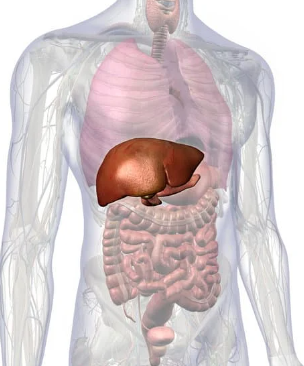
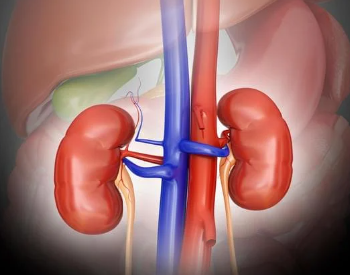
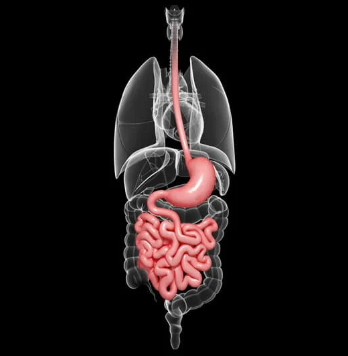
The process of converting T4 to T3 occurs primarily in the liver, kidneys and the gut. If one of these systems are gummed up, then they will not drain and operate properly. The organs will be prevented from properly converting T4 to T3 so the cells can use it to function.
-
Liver & kidneys - The liver & kidneys break down toxins. When overburdened, they not only struggle to convert T4 to T3, but the liver may release toxins back into the bloodstream that are MORE toxic than when they entered the liver. A few situations that cause this are:
- Hepatitis
- Too much estrogen
- Chronic kidney disease
-
Gut - Good bacteria in the microbiome also converts T4 to T3 and can be affected by:
- Poor diet: not taking in enough essential nutrients like selenium, iodine, or zinc.
- Poor digestion
-
An overabundance of bad bugs in the gut that rob the body of essential nutrients:
- Parasites
- Bacteria
- Viruses
- Fungus
- Mold
- Other infections
- Leaky intestinal lining - these are actual microscopic holes in the lining of the gut that allows for toxins and pathogens to leak through the gut lining and into the blood.
-
Other factors that can reduce T4 to T3 conversion:
- Metabolic issues, such as insulin resistance and type 2 diabetes
- Too much fasting or carbohydrate restriction
- Stress
- Chronic inflammation caused by some injuries or autoimmune diseases
-
Environmental toxins:
- Any of the “cides” (pesticides, herbicides, fungicides)
- Heavy metals
- Alcohol
- Smoking
- Hundreds of thousands of toxins we are exposed to in this modern day
- Toxic hormone levels not being cleared by the body
Just to be clear, everyone has these toxins, infections, and other issues in their bodies. It isn’t a matter of if you have them or not. It is a matter of if your body’s detox pathways are able to clear them so you can function well in spite of them.
If your body is over-run with any of these, it can prevent T4 from converting to T3 and starve the cells. If the only labs being checked to evaluate your thyroid are TSH and T4, then you may be told your hormone levels are “fine,” when perhaps your cells are left starving for the thyroid hormone it needs to do metabolic processes, create energy, think clearly, and so on.
T3 Blood tests & reference ranges (vary based on where labs are done):
-
Total T3 - This includes the bound T3 PLUS the free T3 total.
- Typical lab range for Total T3 is referenced as: 60-180 ng/dL
- Optimal range for Total T3: 150-180 ng/dL
-
Free T3 - About 0.3% of T3 is unbound or “free” to enter the cells
- Typical range for Free T3 is referenced as: 2.2-4.2 pmol/L
- Optimal range for Free T3: 3-4 pmol/L:
It is possible to be receiving a thyroid replacement hormone like levothyroxine (brand name Synthroid) and still not be experiencing relief from symptoms because levothyroxine is T4 only. This can be a great choice if you are a good converter because it can be stored easily in the body. If you are a poor converter to T3, this hormone replacement will not work well for your body.
It is possible that your doctor may be checking your thyroid labs and tell you your thyroid function is normal, even if not all the labs are being checked. You may be left wondering why you still don’t feel well, why you are always so exhausted, why you have chronic gut issues, have so much brain fog, lack motivation, and more.
It is possible that your body still lacks that critical “can opener” that opens the “can of food” (T4) so your cells receive nourishment or food (T3). Make sense?
While any combination of these issues can result in a reduction in T4 to T3 conversion, don’t be fooled. Normal thyroid values aren’t a guarantee that your body is not overburdened. The body is brilliantly capable of compensating to give the cell what it needs even when we are quite ill. Sometimes it isn’t until things get serious that the labs start to reflect a problem.
I hope the bigger picture is becoming clearer for you with each lesson. Next week, we will go over the lab called Reverse T3. This lab is rarely checked by clinicians. You will learn why a high Reverse T3 will prevent your cells from using T3 EVEN if your body is converting the T4 to T3 without any issues.
References
American Thyroid Association . (2019). Thyroid Function Tests | American Thyroid Association. Retrieved from American Thyroid Association website: https://www.thyroid.org/thyroid-function-tests/
ANDRA, S. S., & MAKRIS, K. C. (2012). Thyroid Disrupting Chemicals in Plastic Additives and Thyroid Health. Journal of Environmental Science and Health, Part C, 30(2), 107–151. https://doi.org/10.1080/10590501.2012.681487
Armstrong, M., Asuka, E., & Fingeret, A. (2023). Physiology, Thyroid Function. Retrieved from PubMed website: https://www.ncbi.nlm.nih.gov/books/NBK537039/#:~:text=T4 is converted to T3
Atmaca, H., Tanriverdi, F., Gokce, C., Unluhizarci, K., & Kelestimur, F. (2007). Do We Still Need the TRH Stimulation Test? Thyroid, 17(6), 529–533. https://doi.org/10.1089/thy.2006.0311
Bacciottini, L., Falchetti, A., Pampaloni, B., Bartolini, E., Carossino, A. M., & Brandi, M. L. (2007). Phytoestrogens: food or drug? Clinical Cases in Mineral and Bone Metabolism, 4(2), 123–130. Retrieved from https://www.ncbi.nlm.nih.gov/pmc/articles/PMC2781234/
Dasari, S., Naha, K., Hande, M., & Vivek, G. (2014). Hot and cold: coexistent Graves’ disease and Hashimoto’s thyroiditis in a patient with Schmidt’s syndrome. Case Reports, 2014(may21 2), bcr2013010432–bcr2013010432. https://doi.org/10.1136/bcr-2013-010432
Dong, B. J. (2000). How medications affect thyroid function. Western Journal of Medicine, 172(2), 102–106. Retrieved from https://www.ncbi.nlm.nih.gov/pmc/articles/PMC1070767/
Haugen, B. R., Alexander, E. K., Bible, K. C., Doherty, G. M., Mandel, S. J., Nikiforov, Y. E., … Wartofsky, L. (2016). 2015 American Thyroid Association Management Guidelines for Adult Patients with Thyroid Nodules and Differentiated Thyroid Cancer: The American Thyroid Association Guidelines Task Force on Thyroid Nodules and Differentiated Thyroid Cancer. Thyroid : Official Journal of the American Thyroid Association, 26(1), 1–133. https://doi.org/10.1089/thy.2015.0020
Mohamedali, M., Reddy Maddika, S., Vyas, A., Iyer, V., & Cheriyath, P. (2014). Thyroid Disorders and Chronic Kidney Disease. International Journal of Nephrology, 2014. https://doi.org/10.1155/2014/520281
Moura Neto, A., & Zantut-Wittmann, D. E. (2016). Abnormalities of Thyroid Hormone Metabolism during Systemic Illness: The Low T3 Syndrome in Different Clinical Settings. International Journal of Endocrinology, 2016, 1–9. https://doi.org/10.1155/2016/2157583
National Institute of Environmental Health Sciences. (2024, February 6). Endocrine Disruptors. Retrieved from National Institute of Environmental Health Sciences website: https://www.niehs.nih.gov/health/topics/agents/endocrine
Pirahanchi, Y., Jialal, I., & Toro, F. (2023). Physiology, Thyroid Stimulating Hormone (TSH). Retrieved from Nih.gov website: https://www.ncbi.nlm.nih.gov/books/NBK499850/
Pirahanchi, Y., Toro, F., & Jialal, I. (2023). Physiology, Thyroid Stimulating Hormone. Retrieved from PubMed website: https://pubmed.ncbi.nlm.nih.gov/29763025/#:~:text=The hypothalamic%2Dpituitary axis regulates
Sara Ellegaard Christensen, Liv Norma Smith, Alexander, C., Helga Angela Gulisano, Kåre Schmidt Ettrup, Vestergaard, P., … Dal, J. (2023). The TRH test provides valuable information in the diagnosis of central hypothyroidism in patients with known pituitary disease and low T4 levels. Frontiers in Endocrinology, 14. https://doi.org/10.3389/fendo.2023.1226887
Selwan Khamisi, Lundqvist, M., Britt Edén Engström, Larsson, A., F Anders Karlsson, & Ljunggren, Ö. (2023). Comparison Between Thyroid Stimulating Immunoglobulin and TSH-Receptor Antibodies in the Management of Graves’ Orbitopathy. https://doi.org/10.1055/a-2021-0596
Shahid, M. A., Ashraf, M. A., & Sharma, S. (2020). Physiology, Thyroid Hormone. Retrieved from PubMed website: https://www.ncbi.nlm.nih.gov/books/NBK500006/#:~:text=Regulation of thyroid hormone starts
T3 Uptake | Rupa Health. (2020). Retrieved August 19, 2024, from Rupa Health website: https://www.rupahealth.com/biomarkers/t3-uptake#:~:text=The clinical significance of T3
Thyroid antibodies explained. (2022, February 15). Retrieved from British Thyroid Foundation website: https://www.btf-thyroid.org/thyroid-antibodies-explained#:~:text=Thyroid stimulating hormone receptor antibodie
© Jackpot Wellness. All Rights Reserved.